



p38 MAPK
The p38 MAPK family consists of highly conserved proline-directed serine-threonine protein kinases that are activated in response to a number many growth factors, cytokines, and chemotactic substances, such as vascular endothelial growth factor (VEGF), fibroblast growth factor (FGF), PDGF, TNF, interleukins, lipopolysaccharide (LPS) and formyl-methionyl-leucyl-phenylalanine (fMLP). It is well known that p38 is involved in inflammation, apoptosis, cardiomyocyte hypertrophy and cell differentiation.
The p38 MAPK family is composed of four proteins: p38α (encoded by the gene Mapk14), p38β (Mapk11), p38γ (Mapk12), and p38δ (Mapk13). Their coding genes have a distinct tissue distribution and they appear differentially expressed, being Mapk14 the most highly expressed. p38 MAPKs are substrates for three MAP2K (MKK6, MKK3, and MKK4). The contribution of each of these MAP2K to p38 MAPKs activation depends on the stimulus and the cell type. The MAP3Ks that lead to p38 MAPKs activation are ASK1, DLK1, TAK1, TAO1, TAO2, TPL2, MLK3, MEKK3, MEKK4, and ZAK1.
p38 MAPK Isoform Specific Products
All Product Categories
-
p38 MAPK Inhibitors
(821)
View all products
-
p38 MAPK Agonists
(6)
View all products
-
p38 MAPK Antagonists
(2)
View all products
-
p38 MAPK Activators
(216)
View all products
-
p38 MAPK Modulators
(20)
View all products
-
p38 MAPK p53 Inhibitors
(2)
View all products
-
p38 MAPK Inducers
(11)
View all products
-
p38 MAPK Degraders
(3)
View all products
-
p38 MAPK Control
(1)
View all products
-
p38 MAPK Ligands
(2)
View all products
-
AKT Serine/Threonine Kinase 1 (AKT1) Proteins
(3)
View all products
-
p38 MAPK Related Products (1175)
Related Products (1175)

-
Recombinant Proteins (3)
-
Antibodies (20)
-
p38 MAPK Isoform Comparison
-
Plantamajoside
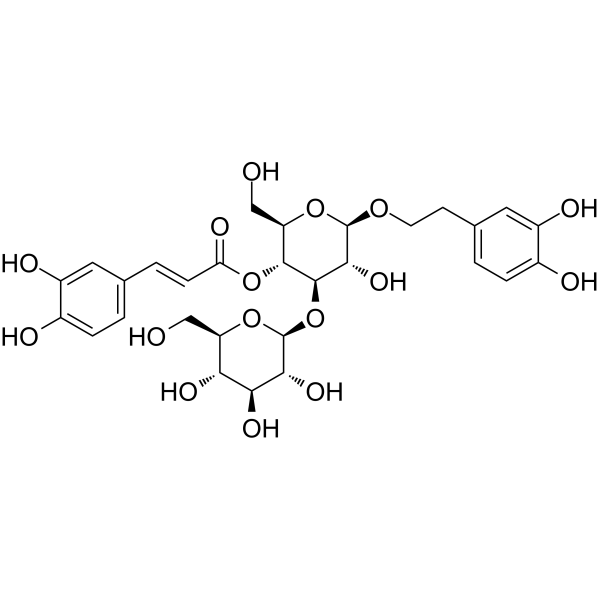 0 ImagesPlantamajoside is an orally active phenylpropanoid glycoside. Plantamajoside can be isolated from Plantago asiatica L.(Plantaginaceae). Plantamajoside inactivates NF-κB, PI3K/akt, induces Apoptosis, and improves Autophagy. Plantamajoside regulates MAPK, integrin-linked kinase/c-Src. Plantamajoside inhibits multiple cancers, improves lung and kidney damage. Plantamajoside has neuroprotective and anti-inflammatory effects.
-
Histamine dihydrochloride
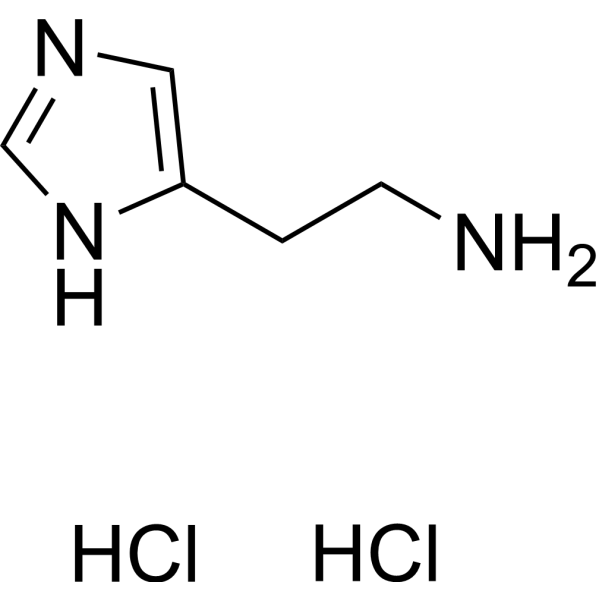 0 ImagesHistamine dihydrochloride is the agonist for histamine receptor and a vasodilator. Histamine dihydrochloride is an organic nitrogen compound that participates in local immune responses, regulates intestinal physiological functions, and acts as a neurotransmitter. Histamine dihydrochloride affects p38 MAPK/Akt signaling pathway, exhibits antitumor, antioxidant and anti-inflammatory activities. Histamine dihydrochloride can be used in the research of acute myeloid leukemia, malignant melanoma, and renal cell carcinoma.
-
Exarafenib
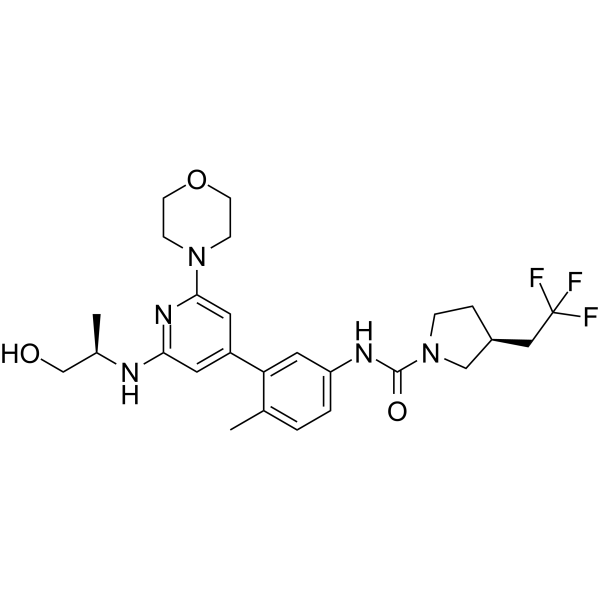 0 ImagesSynonyms: RAF/KIN_2787Exarafenib (RAF/KIN_2787) is an orally-available, selective pan-RAF inhibitor. Exarafenib is effective in RAF-dependent cancers, including all classes of BRAF alterations. Exarafenib suppresses MAPK signaling in RAF-dependent melanoma cell lines. Exarafenib has anticancer activity.
-
Dehydrocorydaline
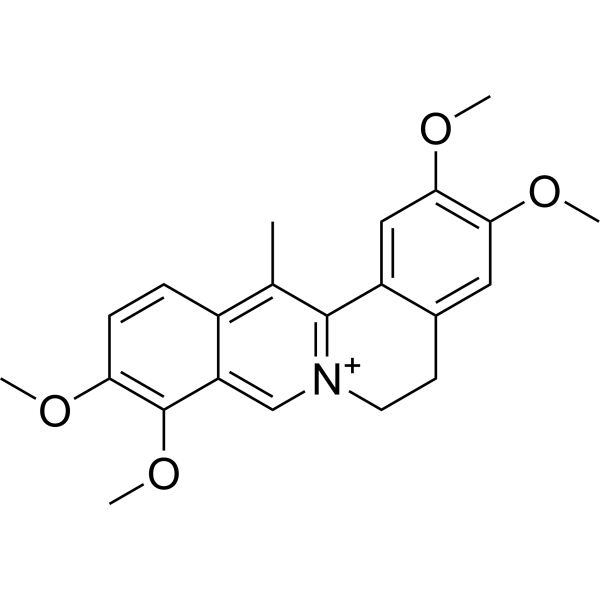 0 ImagesSynonyms: 13-MethylpalmatineDehydrocorydaline (13-Methylpalmatine) is an alkaloid that regulates protein expression of Bax, Bcl-2; activates caspase-7, caspase-8, and inactivates PARP. Dehydrocorydaline elevates p38 MAPK activation. Anti-inflammatory and anti-cancer activities. Dehydrocorydaline shows strong anti-malarial effects (IC50=38 nM), and low cytotoxicity (cell viability > 90%) using P. falciparum 3D7 strain.
-
O6-Benzylguanine
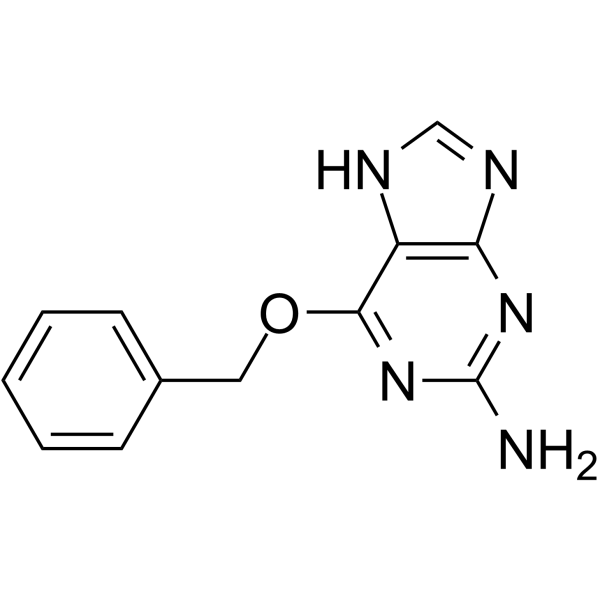 0 ImagesO6-Benzylguanine is an orally active, blood-brain barrier-penetrant inhibitor of O6-methylguanine-DNA methyltransferase (MGMT/AGT). O6-Benzylguanine modulates p53 and its downstream p21 and cyclins to induce cell cycle arrest and apoptosis, and on the other hand activates mTORC1/MAPK and other signaling pathways to induce cellular senescence by inhibiting intracellular MGMT. O6-Benzylguanine is used in research related to various tumors, cellular senescence, and vascular smooth muscle dysfunction.
-
Nitidine chloride
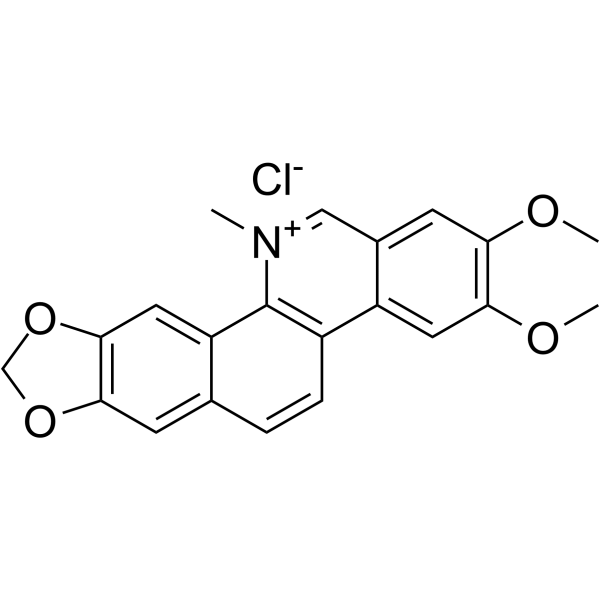 0 ImagesNitidine chloride, a potential anti-malarial lead compound derived from Zanthoxylum nitidum (Roxb) DC, exerts potent anticancer activity through diverse pathways, including inducing apoptosis, inhibiting STAT3 signaling cascade, DNA topoisomerase 1 and 2A, ERK and c-Src/FAK associated signaling pathway, also has anti-inflammatory activity. Nitidine chloride inhibits LPS-induced inflammatory cytokines production via MAPK and NF-kB pathway.
-
SB 202190 hydrochloride
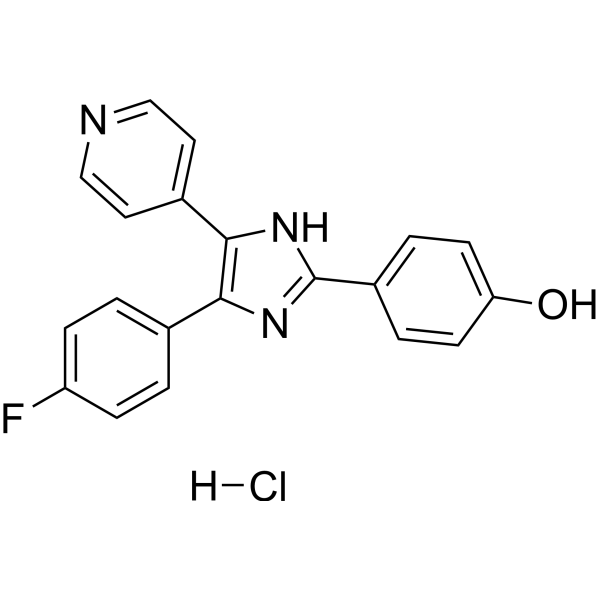 0 ImagesSB 202190 hydrochloride is a selective p38 MAP kinase inhibitor with IC50s of 50 nM and 100 nM for p38α and p38β2, respectively. SB 202190 hydrochloride binds to the ATP pocket of the active recombinant human p38 kinase with a Kd of 38 nM. SB 202190 hydrochloride has anti-cancer activity. SB202190 hydrochloride induces autophagy.
-
Skatole
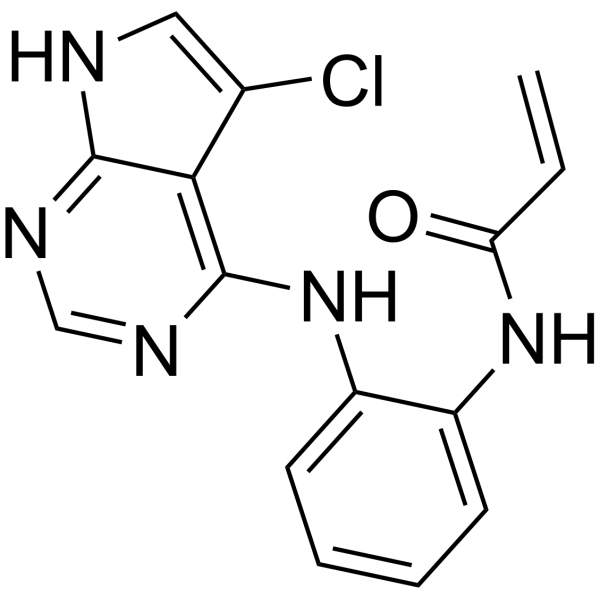
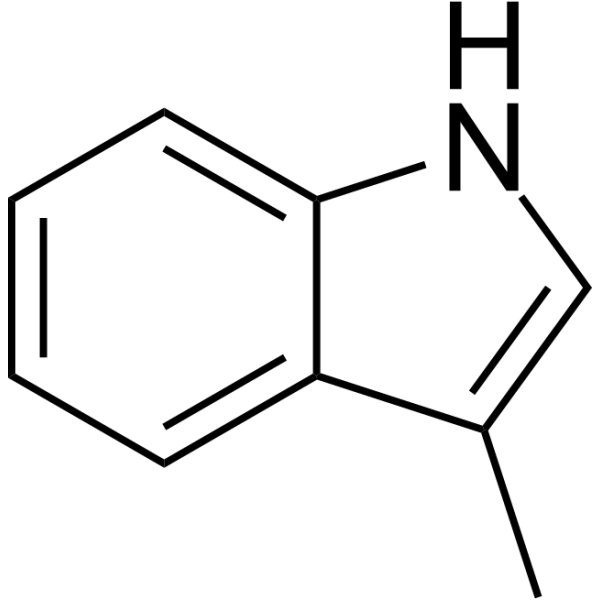 0 ImagesSynonyms: 3-Methylindole; 3-Methyl-1H-indoleSkatole (3-methylindole) is a heterocyclic compound naturally found in the feces of vertebrates and can be found in certain plants. Skatole can be produced by intestinal bacteria, inducing apoptosis of intestinal epithelial cells through activating aryl hydrocarbon receptors (AhR) and p38. Skatole has been used in specific products of the perfume industry or as a flavor additive in ice cream.
-
Rhoifolin
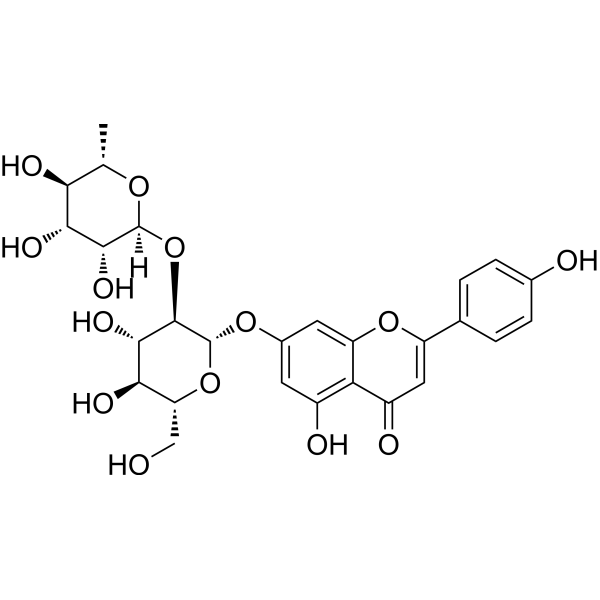 0 ImagesRhoifolin is a flavone glycoside can be isolated from Rhus succedanea. Rhoifolin has anti-diabetic effect acting through enhanced adiponectin secretion, tyrosine phosphorylation of insulin receptor-β and glucose transporter 4 (GLUT 4) translocation. Rhoifolin has an anti-inflammatory action via multi-level regulation of inflammatory mediators. Rhoifolin ameliorates titanium particle-stimulated osteolysis and attenuates osteoclastogenesis via RANKL-induced NF-κB and MAPK pathways. Rhoifolin also has cytotoxic activity against different cancer cell lines.
-
PF-3644022
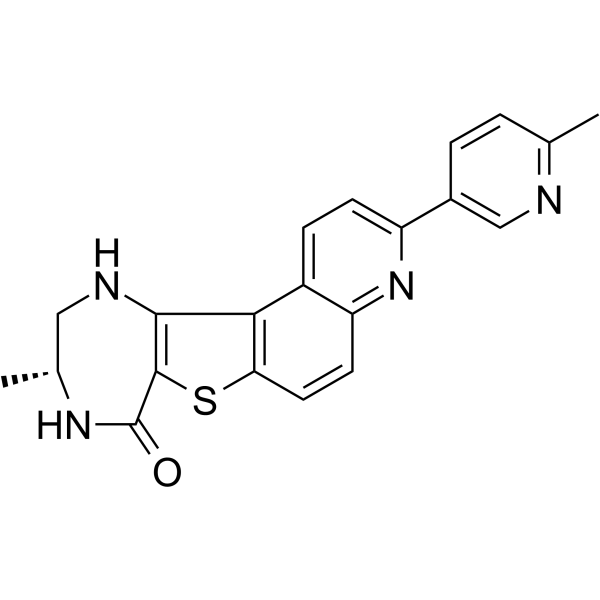 0 ImagesPF-3644022 is a potent, selective, orally active and ATP-competitive MAPKAPK2 (MK2) inhibitor with an IC50 of 5.2 nM and a Ki of 3 nM. PF-3644022 also inhibits MK3 and p38 regulated/activated kinase (PRAK) with IC50s of 53 nM and 5.0 nM, respectively. PF-3644022 potently inhibits TNFα production and has anti-inflammatory effect.
-
Dihydrocaffeic acid
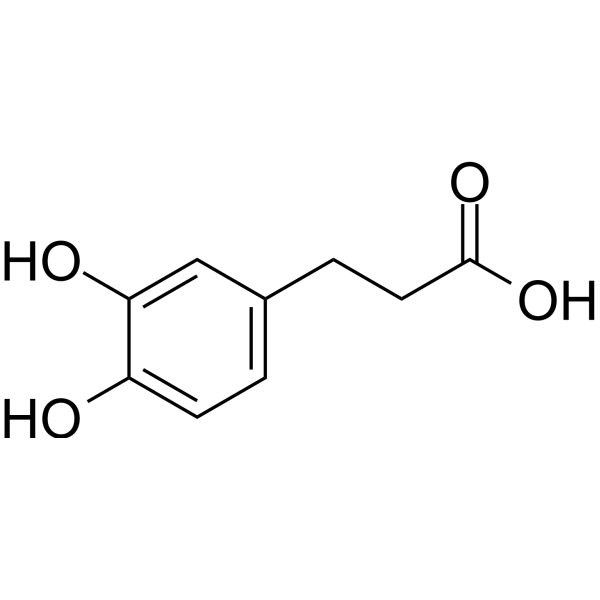 0 ImagesDihydrocaffeic acid is a microbial metabolite of flavonoids. Dihydrocaffeic acid scavenges intracellular ROS and increases nitric oxide synthase activity. Dihydrocaffeic acid reduces phosphorylation of MAPK p38 and prevent UVB-induced skin damage. Dihydrocaffeic acid has antioxidant, anti-inflammatory and anti-cartilage degradation activities.
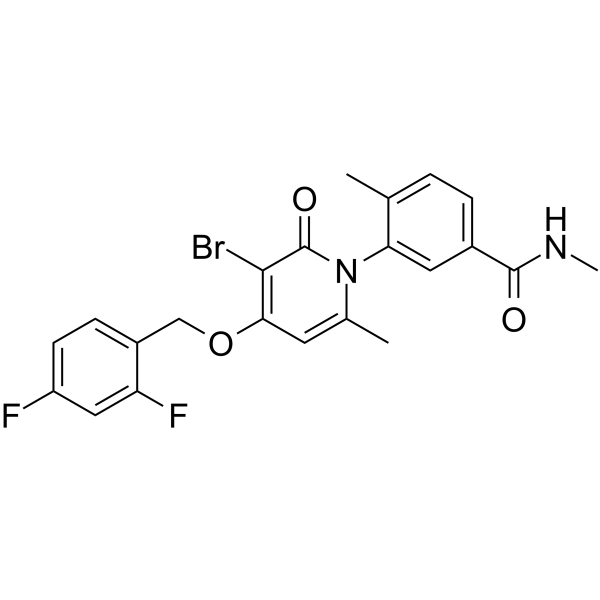
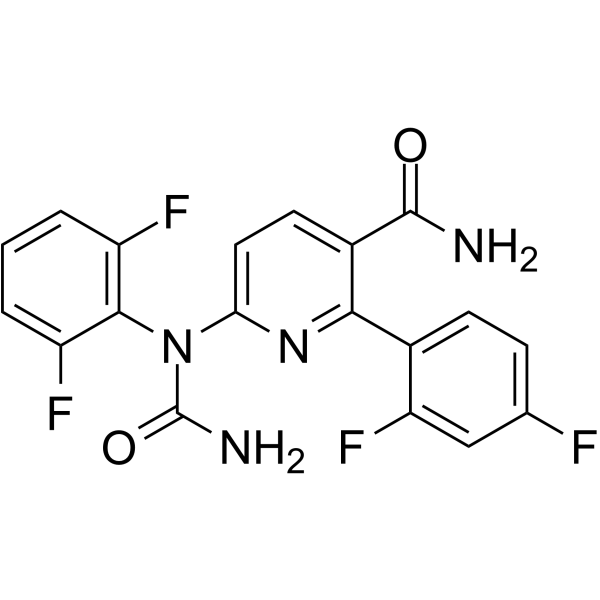
-
Benzoylaconine
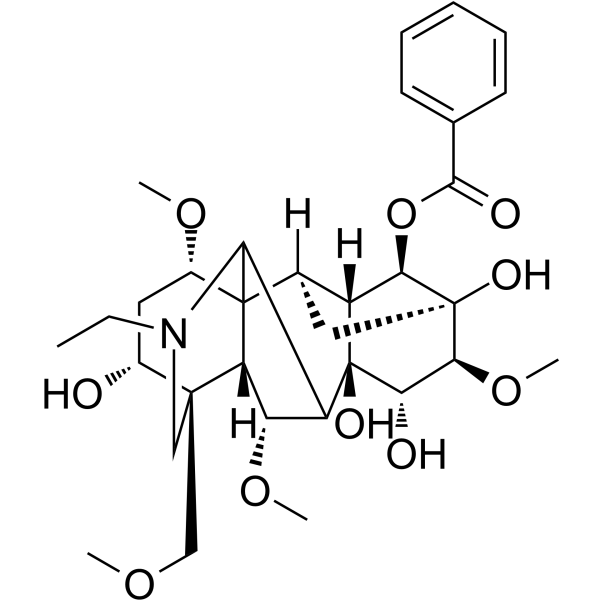 0 ImagesSynonyms: Benzoylaconitine; Isaconitine; PikraconitinBenzoylaconine (Benzoylaconitine) is an orally active monoester alkaloid found in the traditional Chinese medicine Aconitum carmichaelii. Benzoylaconine is an ACE2 agonist (EC50: 1.5 μM) with antihypertensive and anti-heart failure effects. Benzoylaconine inhibits TLR-induced MAPK and NF-κB pathways to exert anti-inflammatory effects. Benzoylaconine upregulates the protein levels of P-gp, MRP2, and has anti-tumor effects.
-
AR420626
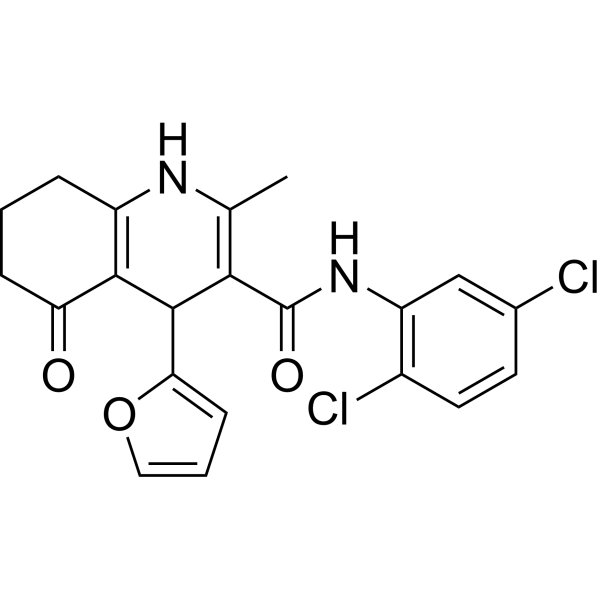 0 ImagesAR420626 is a selective agonist of free fatty acid receptor 3 (FFAR3) (IC50=117 nM). AR420626 has anti-inflammatory, anticancer and antidiabetic activities. AR420626 improves neurogenic diarrhea by inhibiting nAChR mediated neural pathways. AR420626 inhibits the growth of HepG2 xenografts and inhibits the proliferation of hepatoma cells by inducing apoptosis. AR420626 also suppresses allergic asthma and eczema and has the ability to activate GPR41 to increase Ca2+ signal-mediated glucose uptake and improve diabetes.
-
Sappanone A
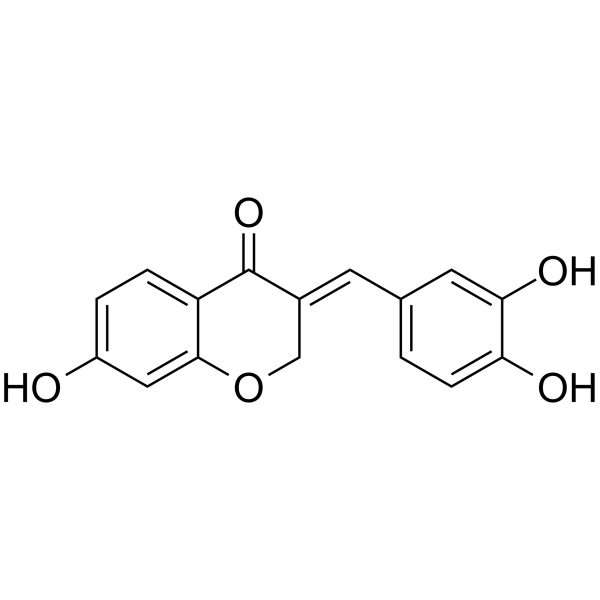 0 ImagesSappanone A is an orally active homoisoflavone found in sappan L. Sappanone A is a PDE4 and NF-κB inhibitor with anti-inflammatory and antioxidant effect. Sappanone A induces HO-1 expression through activation of Nrf2 pathway. Sappanone A also inhibits RANKL-induced osteoclastogenesis. Sappanone A has great potential in the research of inflammation-related and cardiovascular .
-
Dendrobine
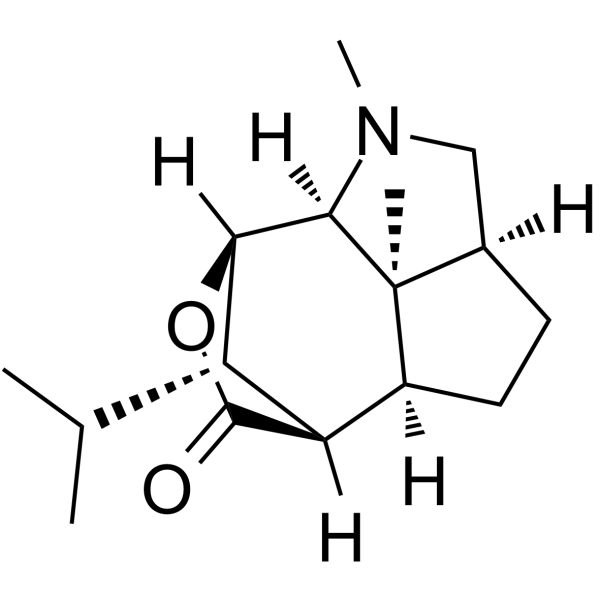 0 ImagesDendrobine is an alkaloid isolated from Dendrobium nobile. Dendrobine possesses antiviral activity against influenza A viruses, with IC50s of 3.39 μM, 2.16 μM and 5.32 μM for A/FM-1/1/47 (H1N1), A/Puerto Rico/8/34 H274Y (H1N1) and A/Aichi/2/68 (H3N2), respectively. Dendrobine activates the JNK/p38/Nrf2 signaling pathway. Dendrobine exhibits antiviral, antitumor, anti-inflammatory, and neuroprotective properties.
-
Vesencumab
 0 ImagesSynonyms: MNRP-1685AVesencumab (MNRP-1685A) is IG1 antibody against neuropilin-1 (NRP-1). Vesencumab binds to NRP-1 and prevents the subsequent coupling of NRP-1 to VEGFR-2. Vesencumab has anti-angiogenic and anti-neoplastic activities. Vesencumab can be used in the research of metastatic solid tumors, including ovarian cancer.
-
Bilobetin
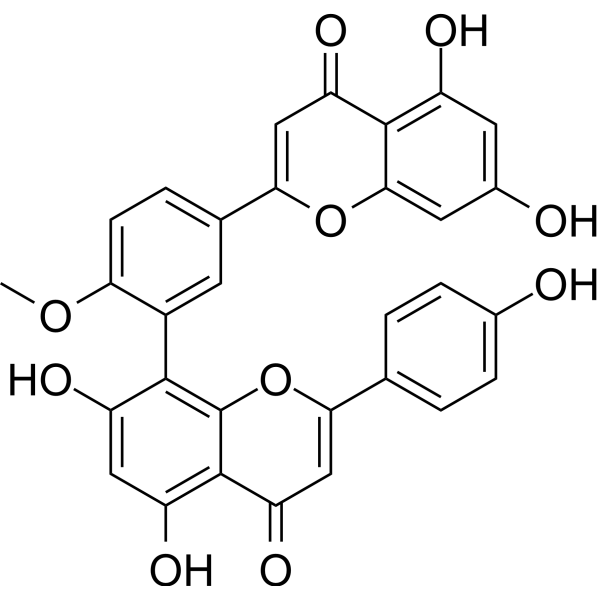 0 ImagesBilobetin, an active component of Ginkgo biloba, can reduce blood lipids and improve the effects of insulin. Bilobetin ameliorated insulin resistance, increased the hepatic uptake and oxidation of lipids, reduced very-low-density lipoprotein triglyceride secretion and blood triglyceride levels, enhanced the expression and activity of enzymes involved in β-oxidation and attenuated the accumulation of triglycerides and their metabolites in tissues. Bilobetin also increased the phosphorylation, nuclear translocation and activity of PPARα accompanied by elevated cAMP level and PKA activity.




